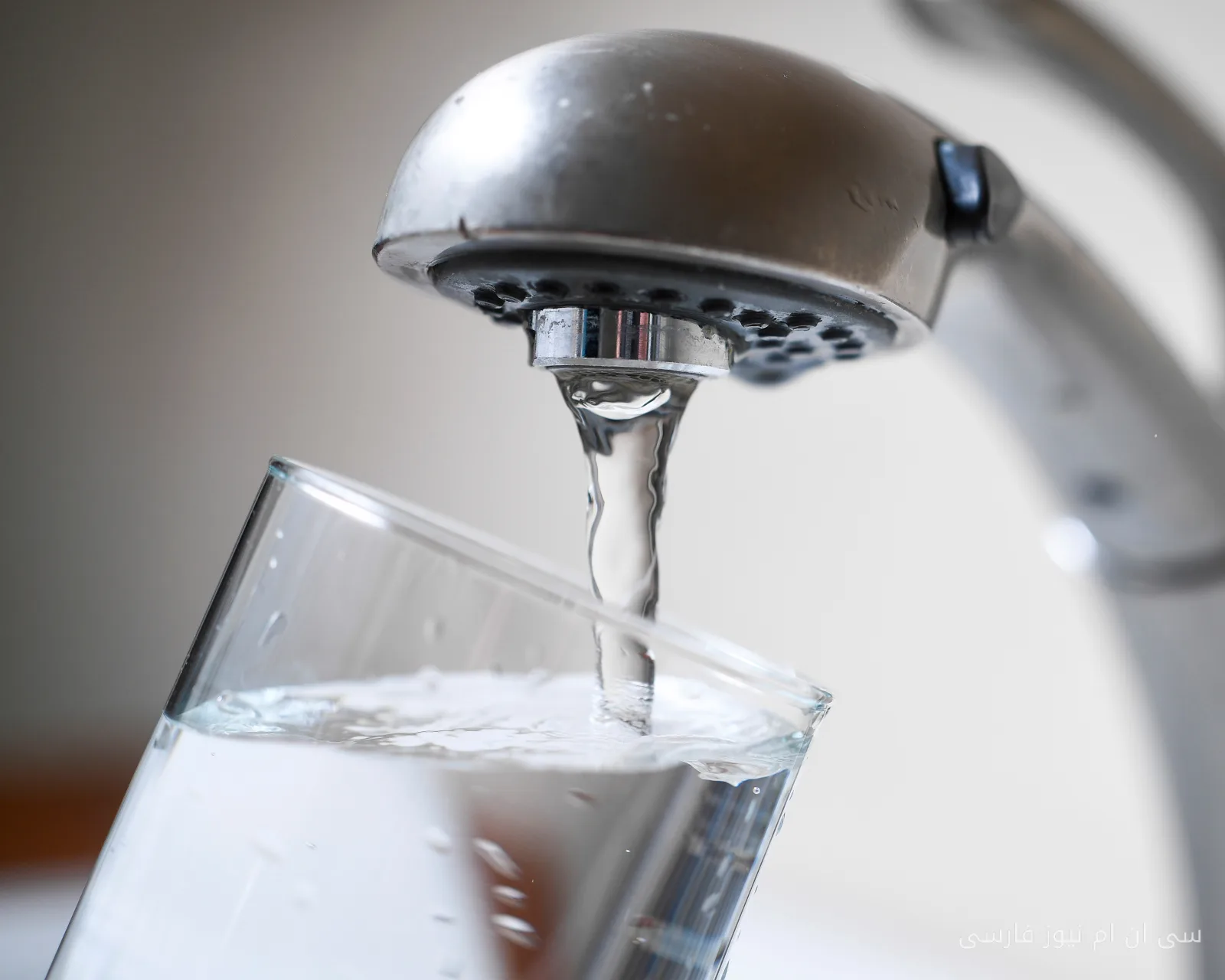
In a controversial decision, a federal appeals court in Mississippi announced that the U.S. Constitution does not provide any legal right to access clean water. This ruling was issued on Friday and specifically addressed the complaint of a group of residents from Jackson, the capital of Mississippi, who claimed that drinking water contaminated with chemicals and other pollutants violated their fundamental rights.
Contaminated Water and Human Rights
The complaint from Jackson residents was made due to the disastrous water situation in the area, where many locals face health and medical issues due to contaminated water. However, the court noted in its statement that the U.S. Constitution explicitly does not define any right to clean water, and this issue clearly indicates the failure of the judicial system to address environmental crises.
This ruling not only diminishes hopes for improving the water situation in Jackson but also raises serious questions about human rights and access to natural resources in the United States. Can a country that considers itself the cradle of democracy truly disregard the fundamental rights of its people in this way?
Social and Political Consequences
This decision may have widespread repercussions for residents of Jackson and other similar areas in the United States. The lack of guarantee for the right to access clean water could lead to increased social discontent and pressure on governments for fundamental reforms. As water and environmental crises are on the rise, such decisions only exacerbate tensions.
Ultimately, the main question is whether the U.S. government and judicial system can fulfill their commitments to resolve such crises. While Jackson residents are seeking solutions to improve their water situation, this ruling could become a symbol of indifference to the fundamental rights of citizens.