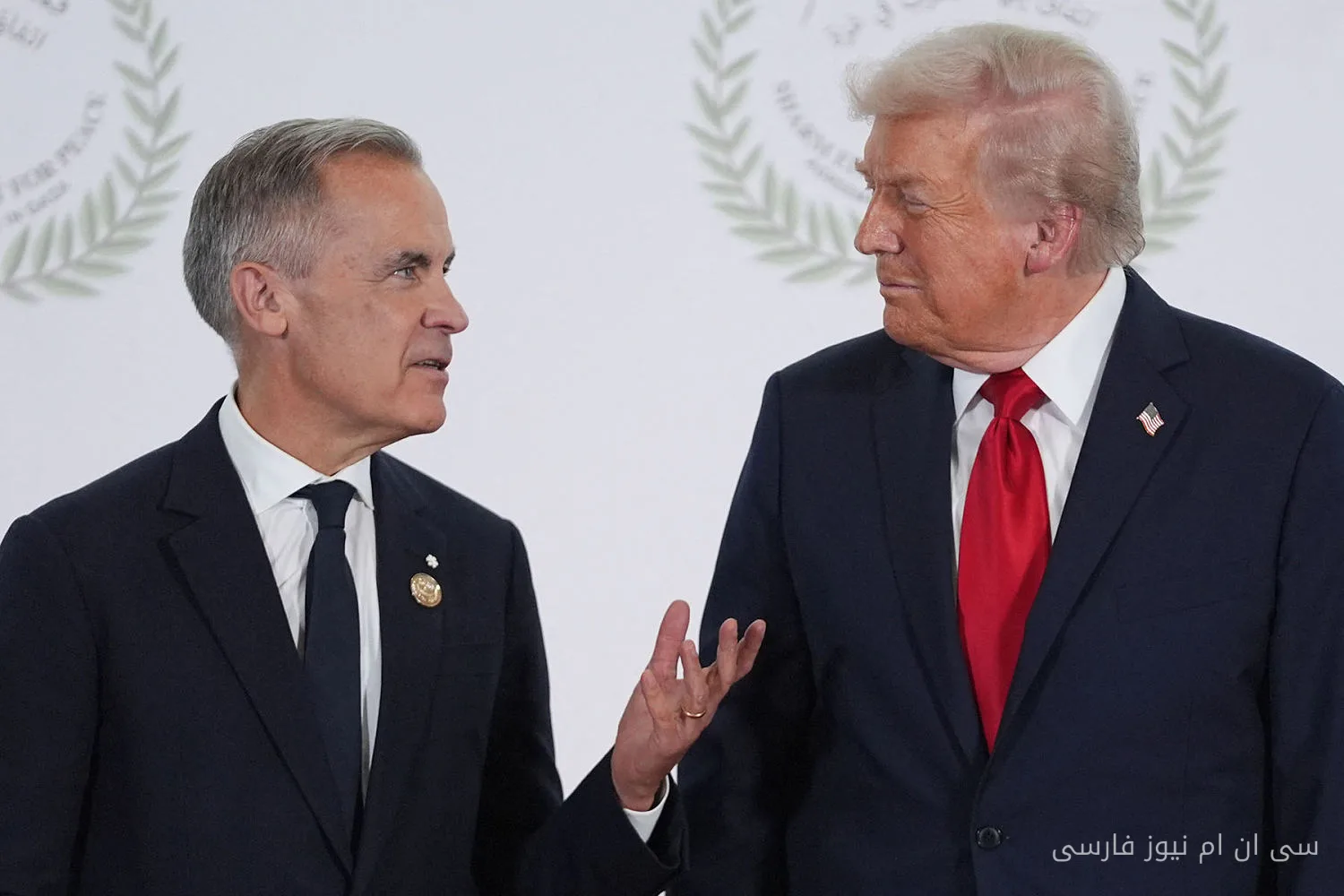
Relations between the U.S. and Canada are deteriorating sharply, and now the Trump administration has made a controversial decision to ban the import of motorcycles, dairy products, and alcoholic beverages from Canada. This action, interpreted as part of the expanding trade war, could have serious consequences for both countries and related industries.
Economic Impacts
Analysts believe that these bans could soon affect consumer markets in the United States. Canada is one of the largest suppliers of dairy products and alcoholic beverages in America, and this action will mean higher prices for American consumers. Additionally, the motorcycle industry may also face reduced supply and increased costs.
Anger and dissatisfaction are rising on both sides of the border. Producers and distributors in Canada have expressed concern over this decision, warning that it could harm jobs and economic growth in both countries. Meanwhile, in the U.S., some lawmakers and traders are also worried about the consequences of this decision on trade and economic relations between the two countries.
The Future of U.S.-Canada Relations
With these bans set to take effect in about three weeks, many questions have arisen regarding the future of trade and political relations between the U.S. and Canada. Will this decision escalate into a full-blown trade war, or will the two countries be able to reach a new agreement? The answers to these questions depend on the future reactions of both sides.
These developments signify a serious shift in the Trump administration's approach to Canada and could serve as a warning for other countries managing their trade relations with the U.S. in the future. In this context, it remains to be seen whether Canada will also respond reciprocally.