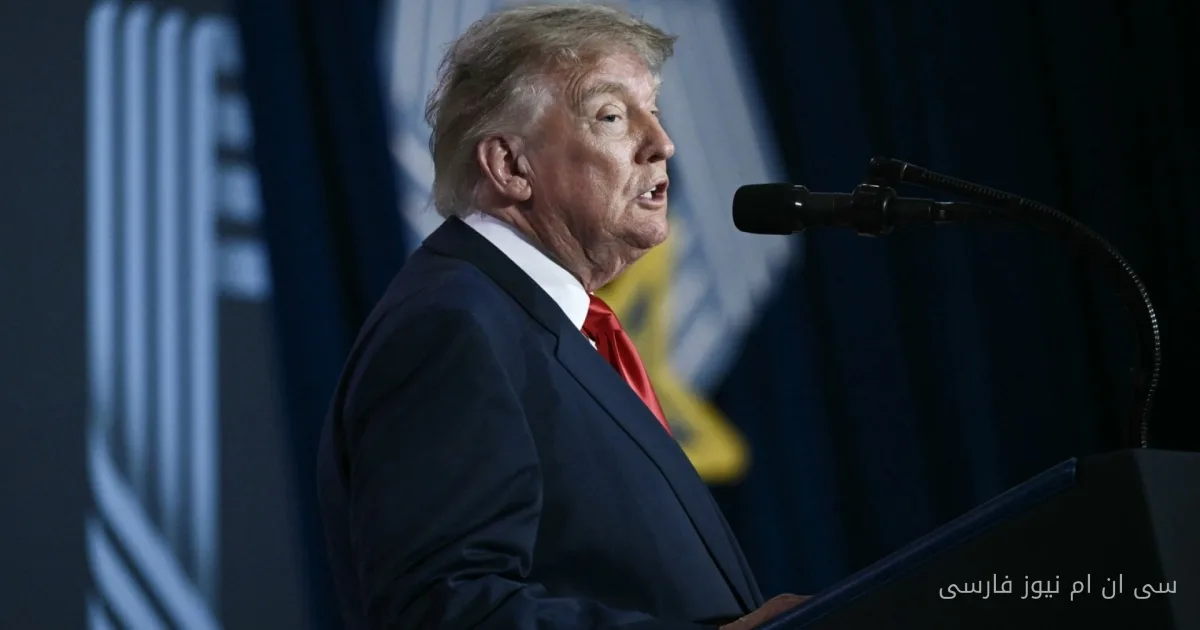
The Trump administration is once again in the spotlight, this time due to its controversial promise of paying $5,000 to voters. This move, presented as an effort to attract voters ahead of the upcoming election, has quickly met with negative reactions and intense criticism.
Why is this promise concerning?
Critics believe that Trump's promise to pay money to voters is a form of vote-buying that could undermine the integrity of elections. This approach comes at a time when many political experts argue that such promises are not only unfeasible but could lead to public distrust in the political system.
Additionally, economic analysts point out that widespread payment of this amount could place a heavy financial burden on the government. This is while Trump has previously attempted to attract voters with similar promises, but this time the reactions seem to be stronger than ever.
Reactions and Political Consequences
Following this promise, a variety of reactions have emerged from opposition parties and even some members of the Republican Party. Many of them view this action as not only irrational but also unethical, believing that such promises could lead to Trump's discredit among voters.
Meanwhile, Trump's supporters have come to his defense, stating that this promise could help improve people's economic situation. However, this promise still faces ambiguities and questions that will overshadow Trump's political future.
Overall, the promise to pay $5,000 to voters is not only presented as a controversial political act but could also have deeper implications for the country's political and economic system. Can Trump navigate this challenge successfully, or will this promise become a turning point in his political destiny?