As the midterm elections in the United States approach, former President Donald Trump has unexpectedly proposed a $5,000 payment to every American citizen if Republicans win. This promise, which has become highly controversial, has quickly attracted the attention of the media and analysts.
Ambiguity in Payment and Funding
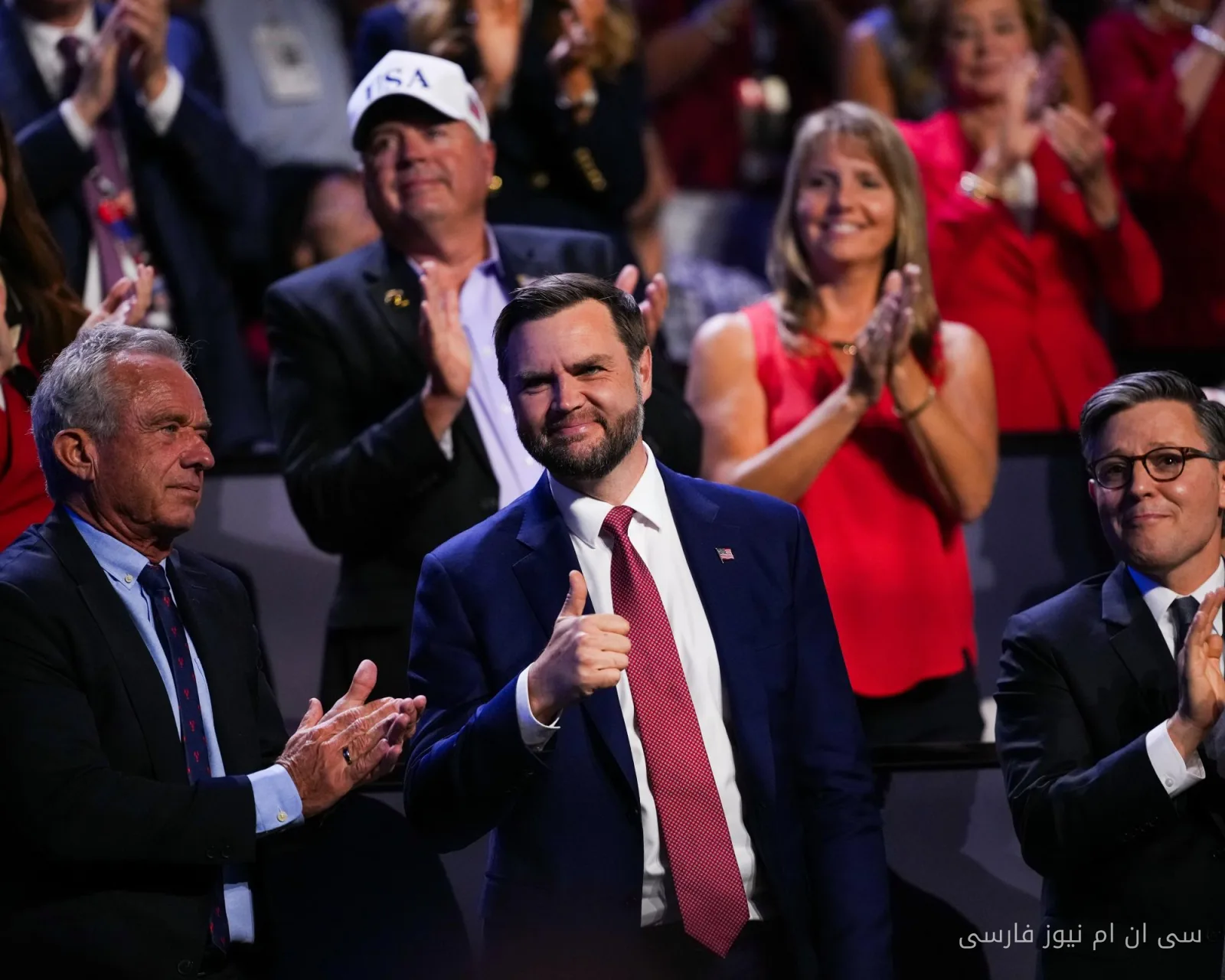
However, the Vice President, in statements made after this promise, seems to have somewhat backtracked and emphasized that this payment will not reach all citizens and will be funded by tariff revenues. This has raised many questions about the source of funding for this plan and whether such a payment is truly feasible.
These statements suggest that Republicans may be trying to attract voters with appealing promises, but do these promises really have the potential for implementation or are they merely a promotional tool? Many analysts believe that this move could benefit Republicans in the midterm elections, but at the same time, there are ambiguities regarding its financial and practical viability.
Political Victories in Primary Elections
Meanwhile, in the Democratic primary elections in Rhode Island, Deby Morales, a Democratic Socialist candidate, managed to defeat the current mayor of Providence, Brett Smiley. This symbolic victory is considered significant for the progressive wing of the Democrats and demonstrates that new political movements can stand against traditional candidates.
These political developments occur as the political atmosphere in the United States has become highly tense and competitive, with various factions trying to strengthen their social bases by seizing every opportunity. Financial and political promises remain a hot and controversial topic in this arena, and it remains to be seen what fate awaits these promises.