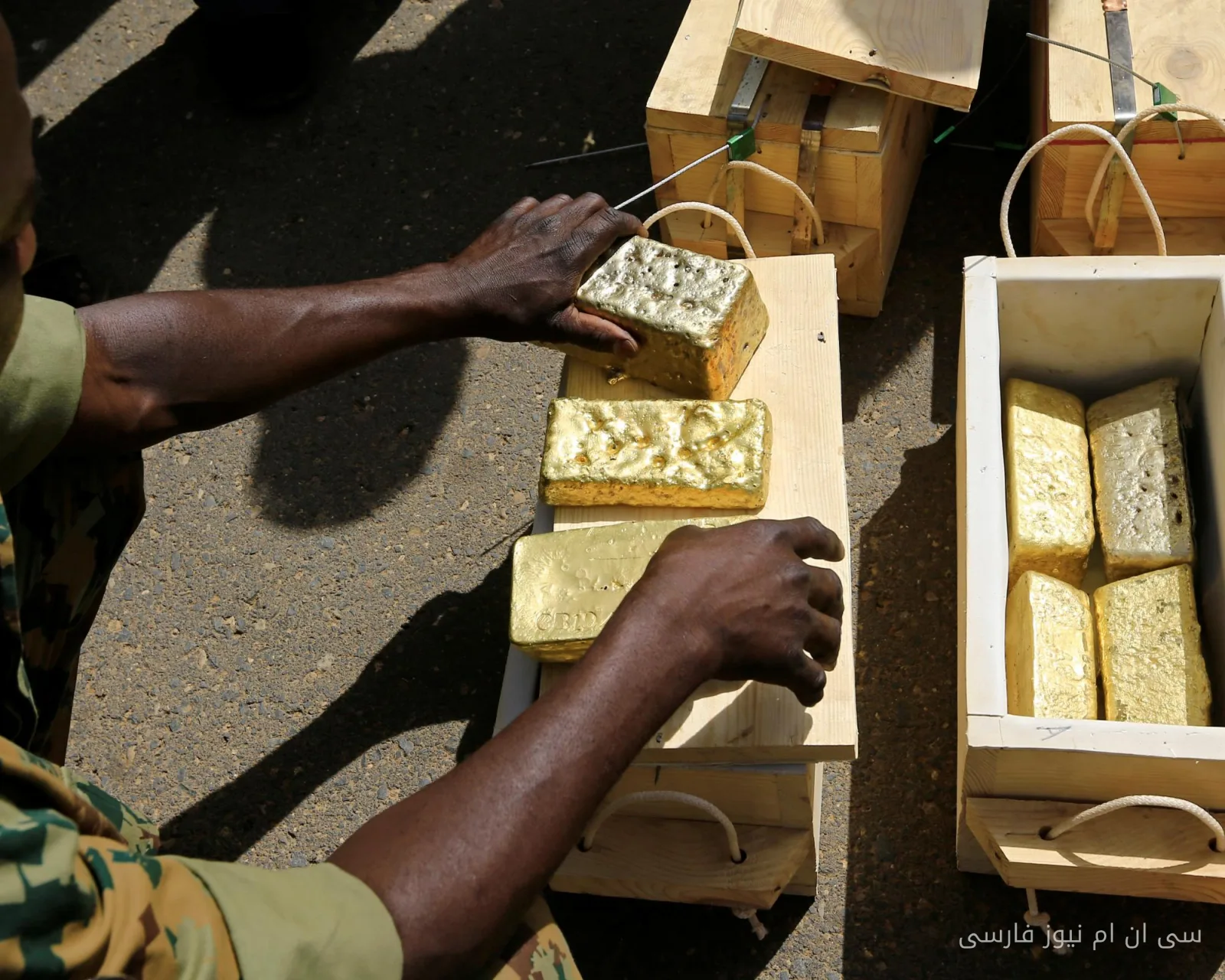
In Abu Hamad, on the banks of the Nile, once-bountiful gardens and farms produced dates, citrus fruits, and grains for the eastern cities of Sudan, including Khartoum and Port Sudan. But today, this land has painfully transformed.
Land Destruction and Pollution
Trees have been cut down and agricultural lands cleared, with farms giving way to shops and commercial spaces. Around this city, more than 700 gray waste piles have contaminated the soil, water, and air as toxic remnants from gold mines. These mines, which started around 2008 and have intensified in the last six years, have become a serious crisis.
Artisanal mining, driven by war and poverty, has been recognized as a public dilemma in the region. The chemicals used in these mines have dangerously poisoned agricultural lands and have had devastating effects on public health and the environment.
Public Health Crisis
The pollution from gold mining in the Nile has not only impacted agricultural lands but has also turned into a public health crisis. Local residents are facing serious health issues, and a dark future seems to await them. This situation poses significant challenges for this community, not only in terms of food but also in terms of health.
As Sudan seeks solutions to this crisis, it urgently needs attention and support from the global community. Can this country pull itself out of the abyss it has fallen into?