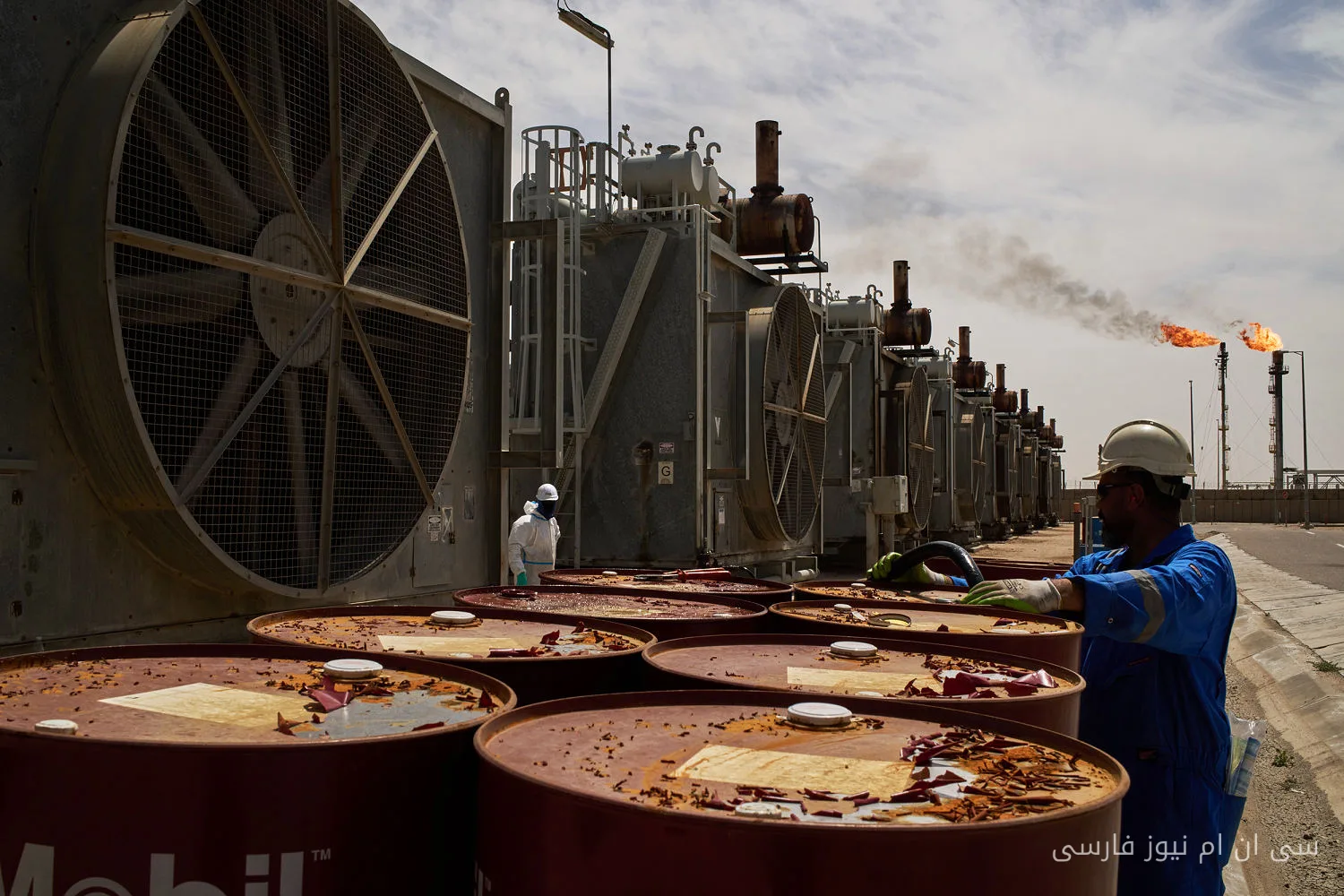
As tensions in the Middle East have sharply increased, the oil market has witnessed a significant price surge. The price of crude oil has reached $١٠١ per barrel, marking the highest price level in about five months. This price increase is driven by concerns over the supply and availability of oil following the escalation of conflicts in Iran and its impacts on the global market.
Impacts of Tensions on the Global Oil Market
The escalation of tensions in Iran and the potential for new crises in the region have heightened fears of disruptions in oil supply. Meanwhile, some analysts believe that this price increase may only be temporary and that prices could revert to previous levels with a reduction in tensions. However, the reality is that political and military uncertainties can significantly affect oil price trends.
Moreover, recent statistics indicate that global demand for oil continues to rise. Major oil-consuming countries, including China and India, are seeking to secure their energy resources, which has significantly impacted market prices.
Economic Consequences
The increase in oil prices could have serious implications for the global economy. Higher energy costs could lead to increased prices for goods and services, consequently affecting inflation. Additionally, countries that are heavily reliant on oil imports may face more serious economic challenges.
Overall, the current state of the oil market reflects the political and economic complexities that could impact the global future. Given the severe price fluctuations, analysts and investors must remain vigilant and closely monitor the situation.