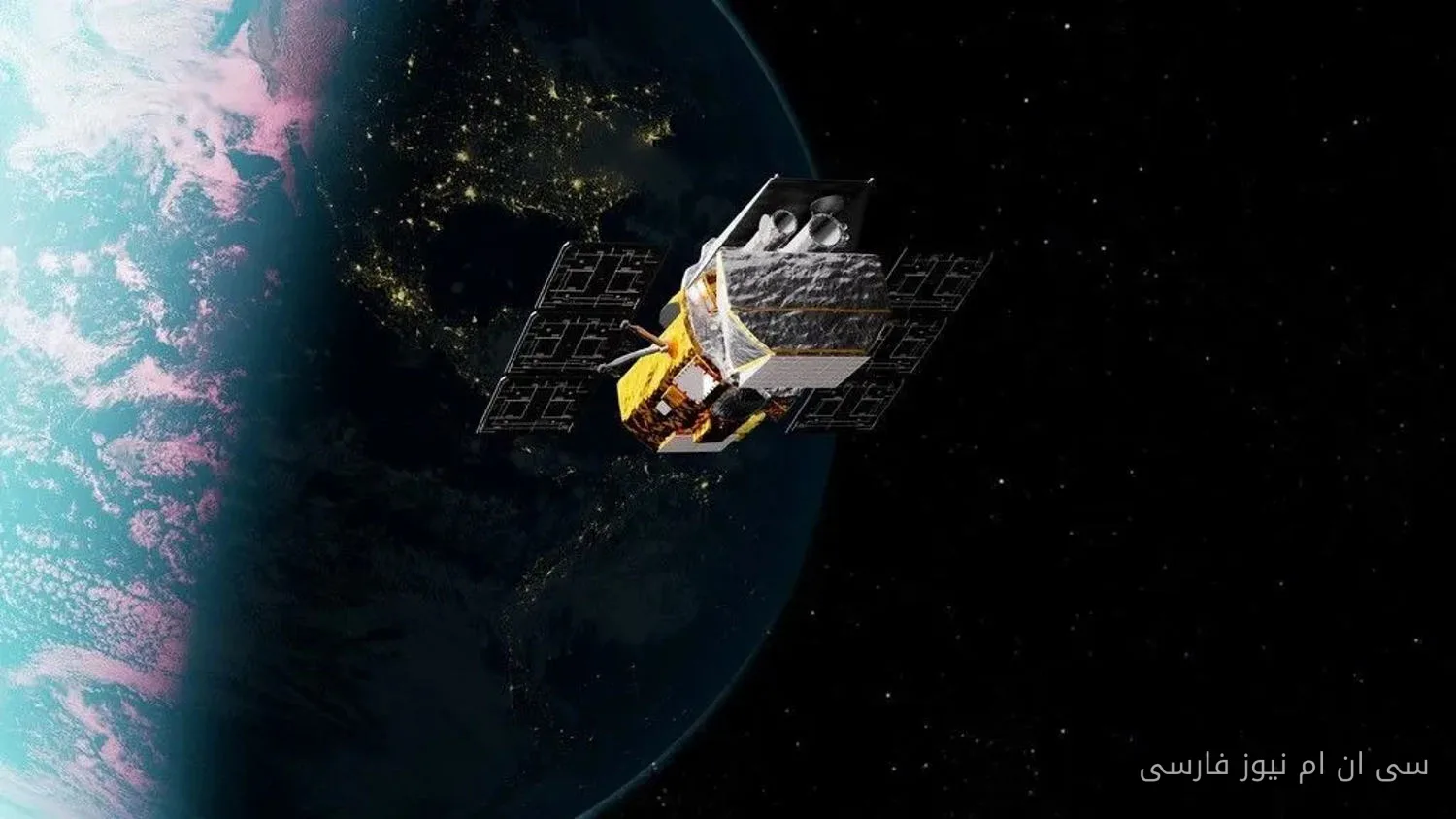
NASA, one of the most reputable space organizations in the world, has recently encountered a major failure in its mission to save its Swift telescope. This telescope, which studies X-rays from space, was on the verge of falling into the Earth's atmosphere, and the rescue team's efforts to prevent this disaster faced unforeseen problems.
Why Did the Rescue Mission Fail?
The Swift telescope was gradually losing its capabilities due to technical issues and disruptions in its systems. The rescue mission, which involved using a spacecraft to correct its trajectory and prevent the telescope from falling, encountered serious challenges during execution due to sudden problems in the control and communication systems.
If successful, this mission could have helped preserve valuable data and scientific research conducted by Swift. However, with the emergence of technical problems, hopes turned to despair, and the telescope remains at risk of destruction.
Consequences of This Failure for Space Science
The failure of this mission has serious implications not only for NASA but also for the global scientific community. The Swift telescope is recognized as one of the key tools in studying cosmic phenomena and uncovering the secrets of the universe, and its loss could lead to delays in scientific research and new discoveries.
NASA has announced that further investigations will be conducted to examine the causes of this failure and will strive to utilize the experiences gained from this mission for future projects. However, this incident serves as a reminder of the importance and challenges present in space exploration.