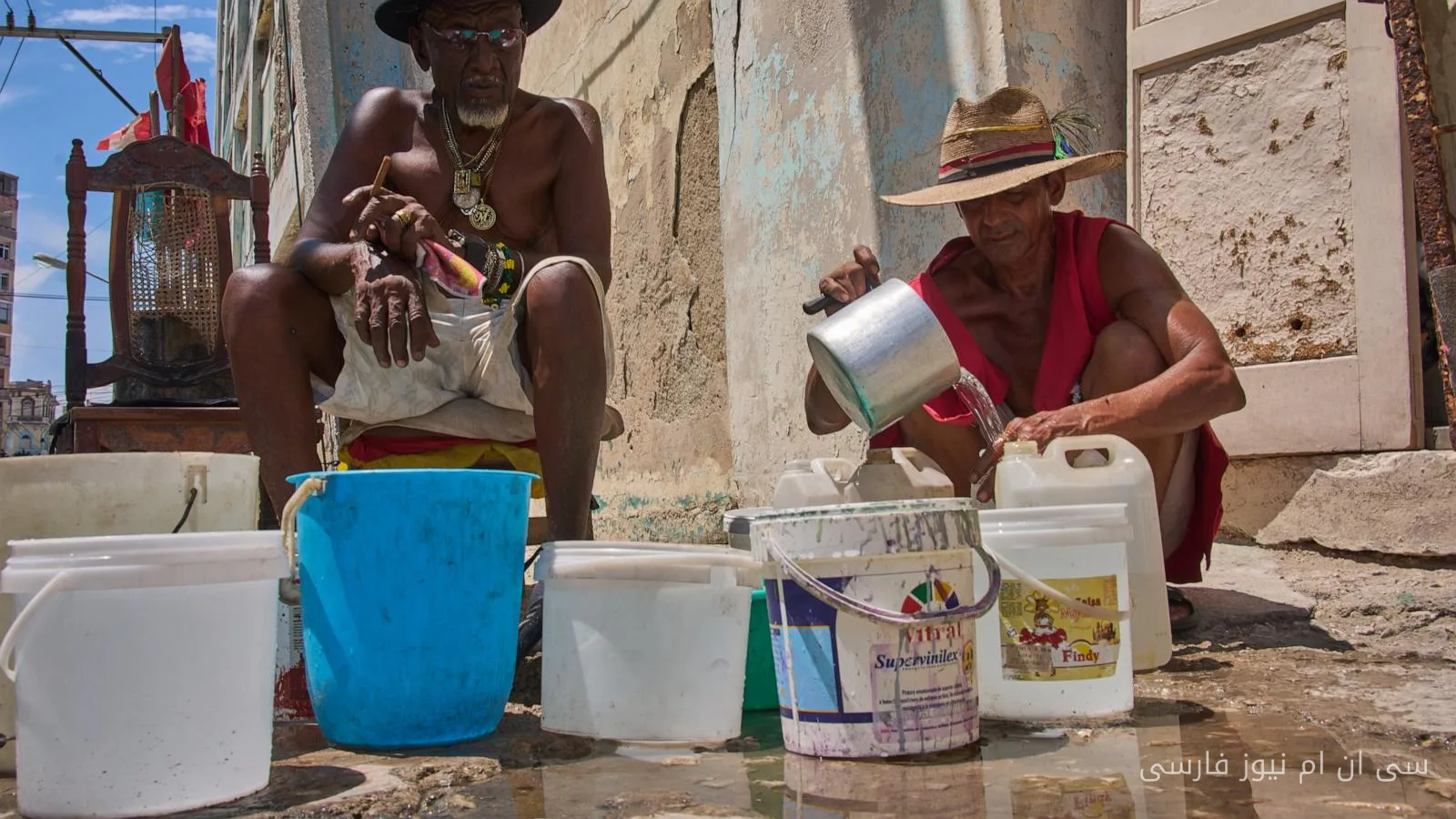
Cuba, an island with a population of nearly 10 million, is currently in the midst of multiple crises that have profound effects on the psyche of its residents. Economic, political, and social pressures have become so overwhelming that many people have reached their breaking point, and this situation has severely affected their quality of life.
Daily Pressures and Their Consequences
Residents of Cuba grapple with daily challenges such as shortages of essential goods, economic fluctuations, and social problems. These conditions not only affect their standard of living but also jeopardize their mental health. Many people suffer from stress, anxiety, and depression, and this situation is increasingly spreading.
Many families have encountered difficulties in meeting their basic needs, leading to a rise in feelings of hopelessness and despair among the population. In such an environment, social relationships are also under pressure and disintegrating, causing many individuals to distance themselves from their relatives and friends.
Youths; The Most Vulnerable Group
Cuban youths are particularly vulnerable in these circumstances. They seek a brighter future but face harsh realities such as unemployment and social restrictions. These young people are looking for opportunities to leave the country and are taking many risks along the way. This situation reflects a crisis of identity and despair among Cuba's younger generation.
Ultimately, the mental crises arising from these conditions could have long-term consequences for Cuban society. Although efforts are being made to improve the situation, as long as the roots of these crises are not addressed, there will be no hope for real improvement. The people of Cuba are in dire need of psychological and social support to overcome these difficult conditions and return to their normal lives.