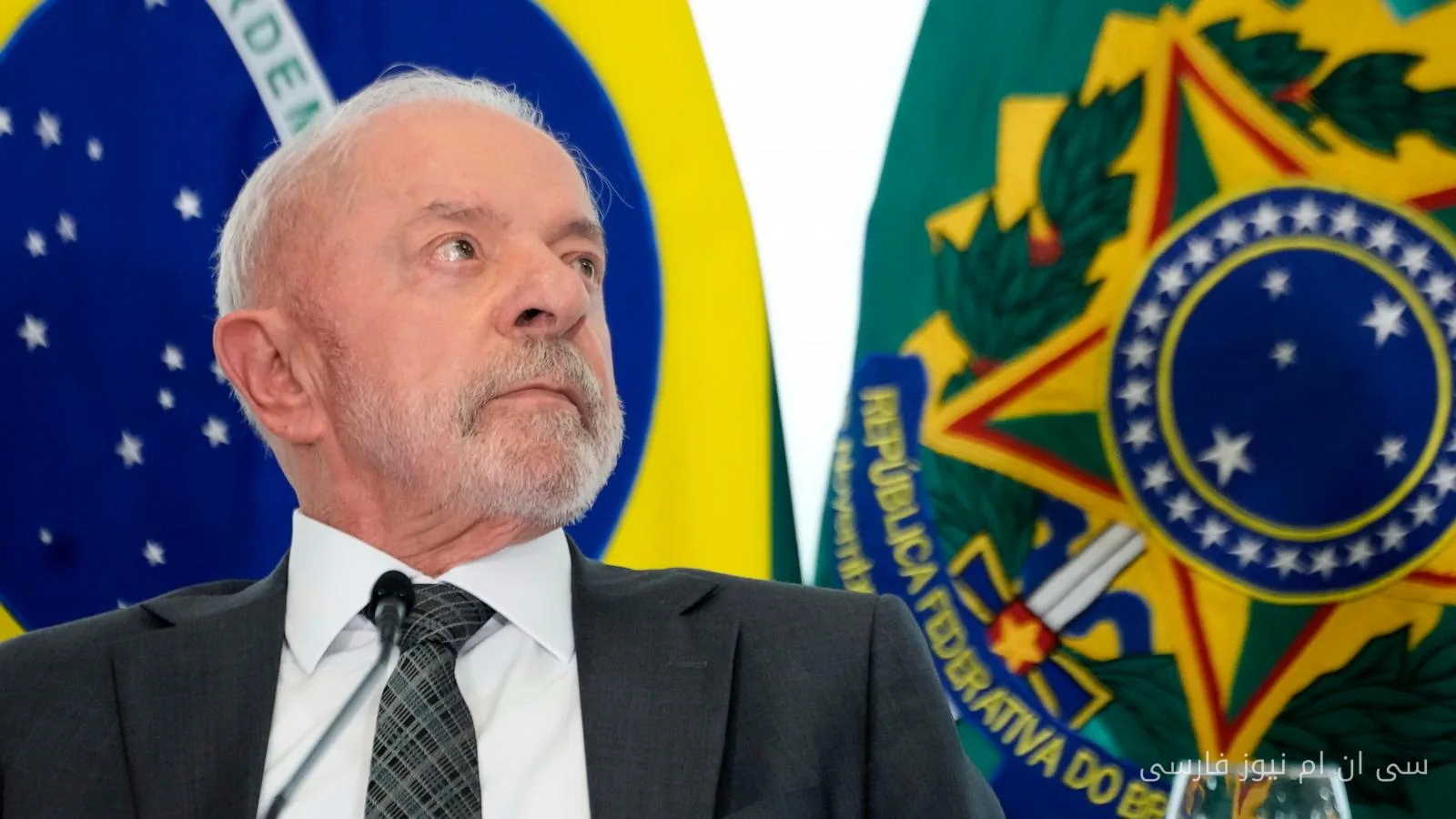
The President of Brazil, Luiz Inácio Lula da Silva, has recently signed a set of economic measures aimed at reducing fuel prices in the country. This decision has attracted significant attention, especially ahead of the Brazilian presidential elections, and has raised questions in the minds of the public regarding the political motivations behind this action.
Economic measures and their impact on society
These measures include reducing fuel taxes and increasing subsidies related to diesel, which will have positive effects, especially for farmers and the transportation industry. Given the rise in global fuel prices in recent months, this action could help alleviate economic pressure on households and businesses.
Lula, known as a leftist politician, is attempting to increase his popularity among voters with this decision. While some view this action as a clever move to attract more votes, others point out that these measures may lead to economic harm in the long run.
Lula's political future and upcoming challenges
The upcoming elections represent a critical opportunity for Lula to maintain power and continue his economic programs. Throughout his presidency, he has faced numerous challenges, and now with these decisions, it seems he is seeking to balance the economic and political needs of the country.
These decisions, especially at a time when the Brazilian economy needs stimulation and progress, could serve as a test for Lula. Can he regain the trust of the people with these measures and achieve victory in the upcoming elections? Or are these actions merely a temporary solution to deceive public opinion?