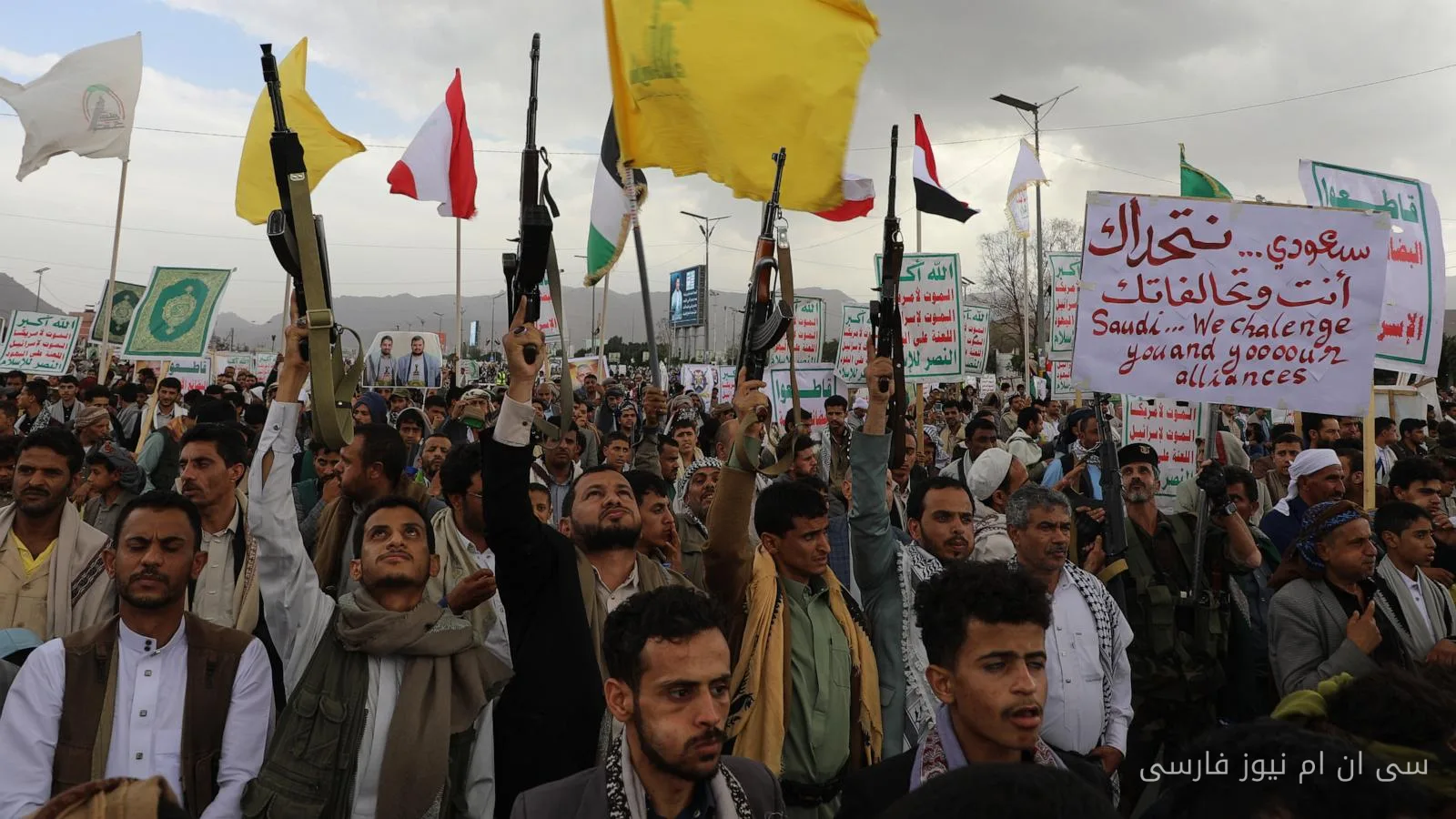
In recent days, new developments have occurred in the Persian Gulf that raise serious concerns about the security of the region. Iran is cleverly shaping a new ring of proxy forces to continue its threats against America's allies in this area. These actions are not only due to the ongoing tensions between Tehran and Washington but have been particularly intensified by the recent movements of the Yemeni Houthis and Iraqi groups.
Houthi Movements and Drone Attacks
According to recently published reports, the Yemeni Houthis have assisted Iraqi militia groups in launching drone attacks against Saudi oil facilities in July. These attacks clearly demonstrate the close cooperation between these groups and Tehran, which could be a warning sign for the future of energy security in the region. Given that Saudi Arabia is recognized as one of the largest oil producers in the world, any disruption in this country's oil production and exports could have widespread global economic repercussions.
Dangerous Consequences for Regional Security
These developments are not limited to threats against Saudi Arabia; other American allies in the Persian Gulf should also be concerned about this new network of proxies. Considering Iran's history of creating instability in this region, it seems that Tehran is seeking an opportunity to strengthen its influence and weaken Western powers. Experts believe that this trend could lead to increased tensions and the likelihood of military conflicts in the near future.
On the other hand, this situation could put more pressure on regional governments to seek solutions to counter security threats. While diplomacy remains one of the options for resolving these crises, it seems that Iran, by adopting aggressive policies, is unwilling to reduce tensions.