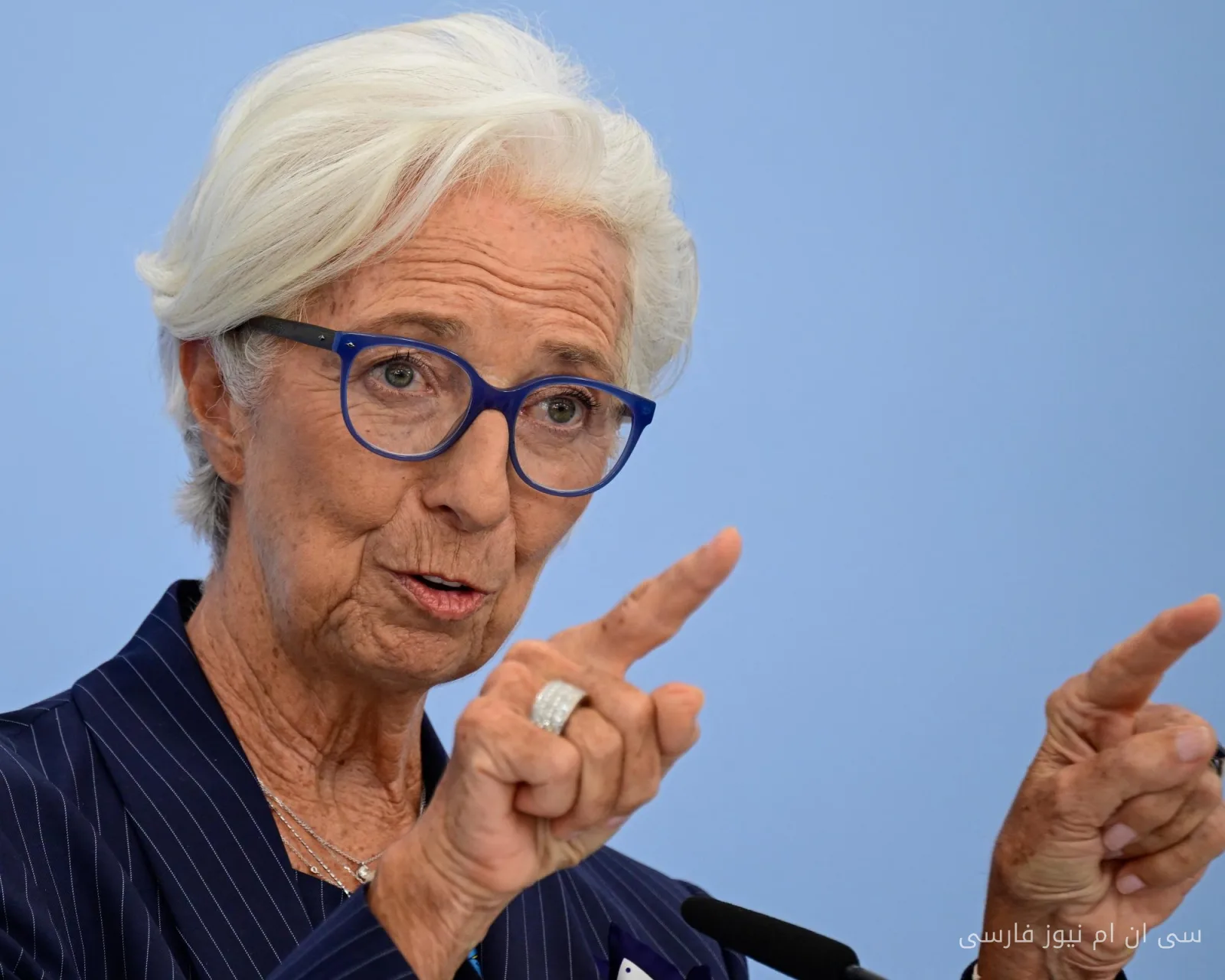
The European Central Bank (ECB) decided to raise the interest rate to 2.5% and considers this action a response to recent tensions in the Middle East and their impact on the global economy. This interest rate hike comes at a time when oil prices have surpassed $105 per barrel, and price pressures in the Eurozone are increasing.
The Crisis in the Middle East and Its Impact on the European Economy
The latest conflicts in the Middle East, particularly the attacks between Iran and the United States on ships in the Strait of Hormuz, have directly affected global markets. These tensions have not only sharply increased oil prices but also fueled concerns about the economic future of Europe. The central bank has stated that the risk of rising inflation next year has significantly increased.
As interest rates rise, borrowing costs in Europe have notably increased, which could have significant repercussions for businesses and households. The European Central Bank has announced that this decision was made to control inflation and maintain economic stability, but at the same time, it is likely to negatively impact the region's economic growth.
Economic Outlook in This Critical Period
It seems that Europe is entering a critical economic period. With rising energy costs and interest rates, many experts believe that a recession may be on the horizon. Policymakers need to closely monitor the situation and take necessary actions to prevent larger economic crises if needed.
Ultimately, this situation could have profound effects on people's daily lives and future economic approaches in Europe. As global markets fluctuate, Europe must employ smart measures to mitigate the negative consequences of these crises.