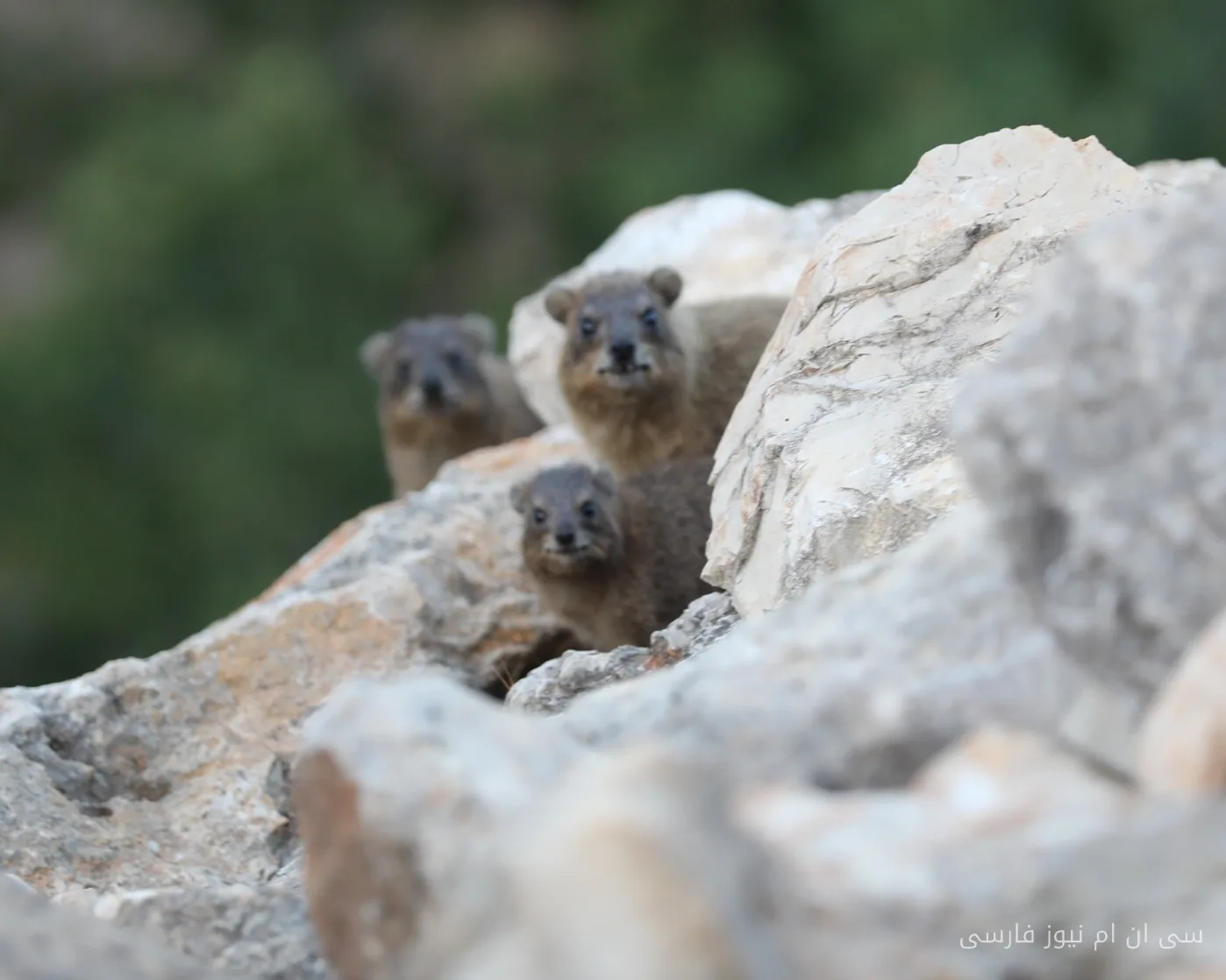
Wars are usually measured by casualty figures, the destruction of homes, and the obliteration of cities, but less attention is paid to what happens beneath the rubble. In southern Lebanon, repeated and large explosions not only create a humanitarian disaster but also destroy ancient and rocky habitats that have hosted Syrian hyrax colonies for centuries.
Destruction of Habitats and Ecosystems
In this context, the loss of natural habitats not only means harm to wildlife but also, due to the close connection of these ecosystems with human life, these damages can have long-term consequences for human communities. The Syrian hyrax, which depends on rocky and mountainous habitats, is one of the victims of this war. A war that has severely impacted nature and could soon lead to the extinction of this species.
As the founder and president of the "Southern Greens" organization, which documents the environmental impacts of the war in southern Lebanon, I strive to assist my colleagues in recording the damages inflicted on forests, wildlife, and vulnerable ecosystems. These efforts help us bring the voice of nature to the attention of the world.
A Catastrophe Beyond Borders
Modern wars focus more than anything on natural infrastructures. While a war may seem like a local conflict, its effects can transcend borders and harm the ecosystems of neighboring countries. The destruction of forests and natural habitats in Lebanon directly impacts wildlife in neighboring countries and can lead to the disappearance of certain species.
This environmental catastrophe requires immediate attention and action. As a global community, we must recognize the reality that wars destroy not only human lives but also wildlife and ecosystems. We must listen to the voice of nature and accept that environmental protection is an integral part of peace efforts.
Ultimately, this is a call to action for all those who care about the future of the Earth and future generations. Can we learn from these catastrophes and move towards creating peace and protecting the environment?