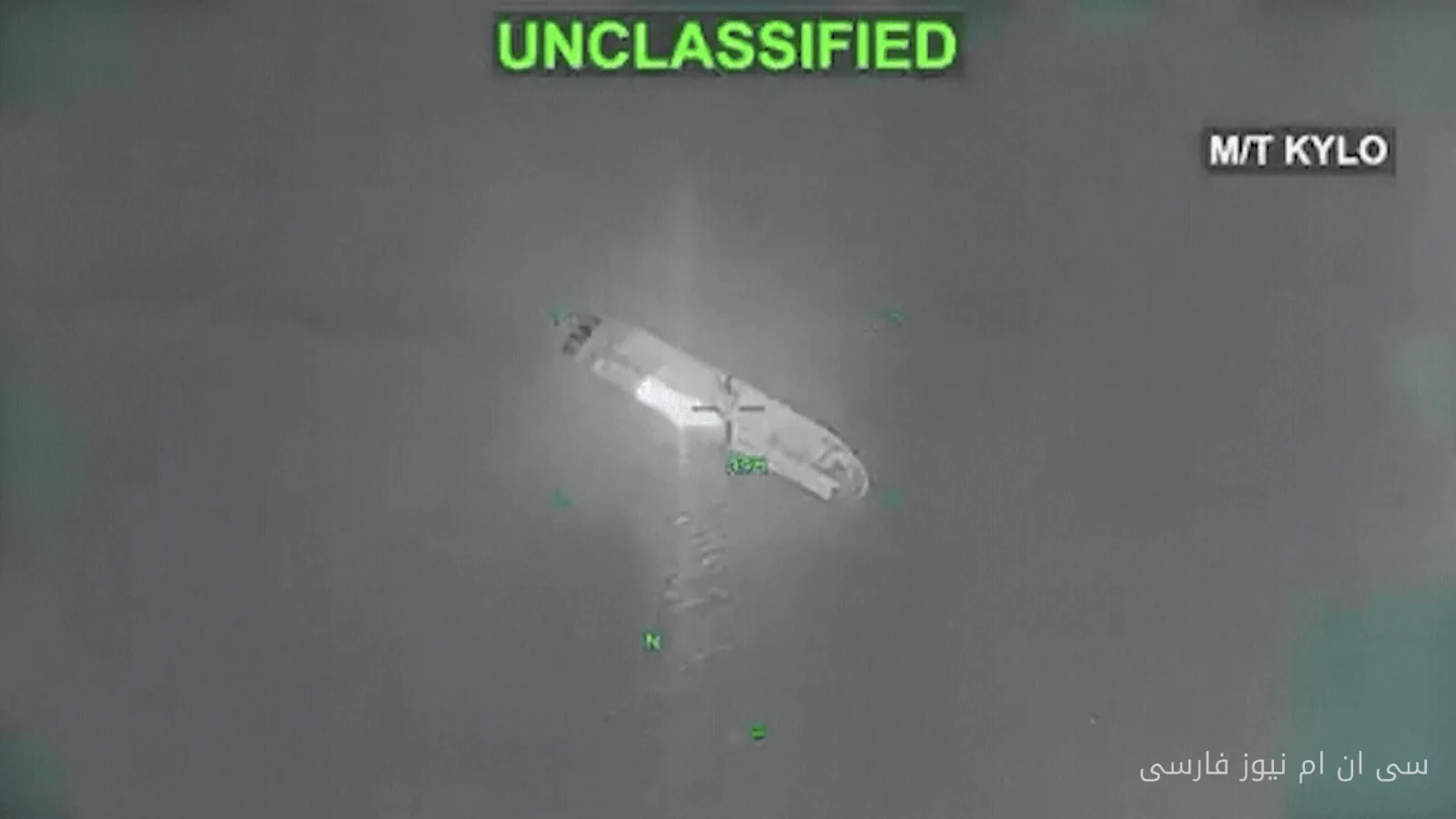
The Strait of Hormuz, one of the most important oil shipping routes in the world, has recently become a scene of escalating tensions between Iran and the U.S. These conflicts, manifesting as retaliatory attacks, have raised serious concerns about environmental security in this sensitive region.
Environmental Hazards Alongside Military Tensions
With tankers carrying millions of barrels of oil and petrochemical products passing through and waiting, the Strait of Hormuz has turned into a powder keg. Any incident could lead to an environmental disaster that would not only impact the ecosystem of the Persian Gulf but also affect the global economy.
This situation has fueled global concerns about energy supply and the environmental impacts of oil and gas spills. On one hand, any new conflict could lead to rising oil prices and a decrease in global supply, while on the other hand, the pollution resulting from these tensions will threaten marine life and water quality.
Challenges Facing Governments
Governments are trying to end these tensions through diplomacy and negotiation, but it seems that the intensity of these conflicts increases every day. Meanwhile, other countries in the Persian Gulf region are also concerned about the consequences of this potential war and are seeking ways to reduce tensions and ensure their security.
However, it appears that both sides are moving towards escalating tensions instead of resolving issues through negotiations. This is not only dangerous for themselves but could also have serious repercussions for the entire region and beyond.