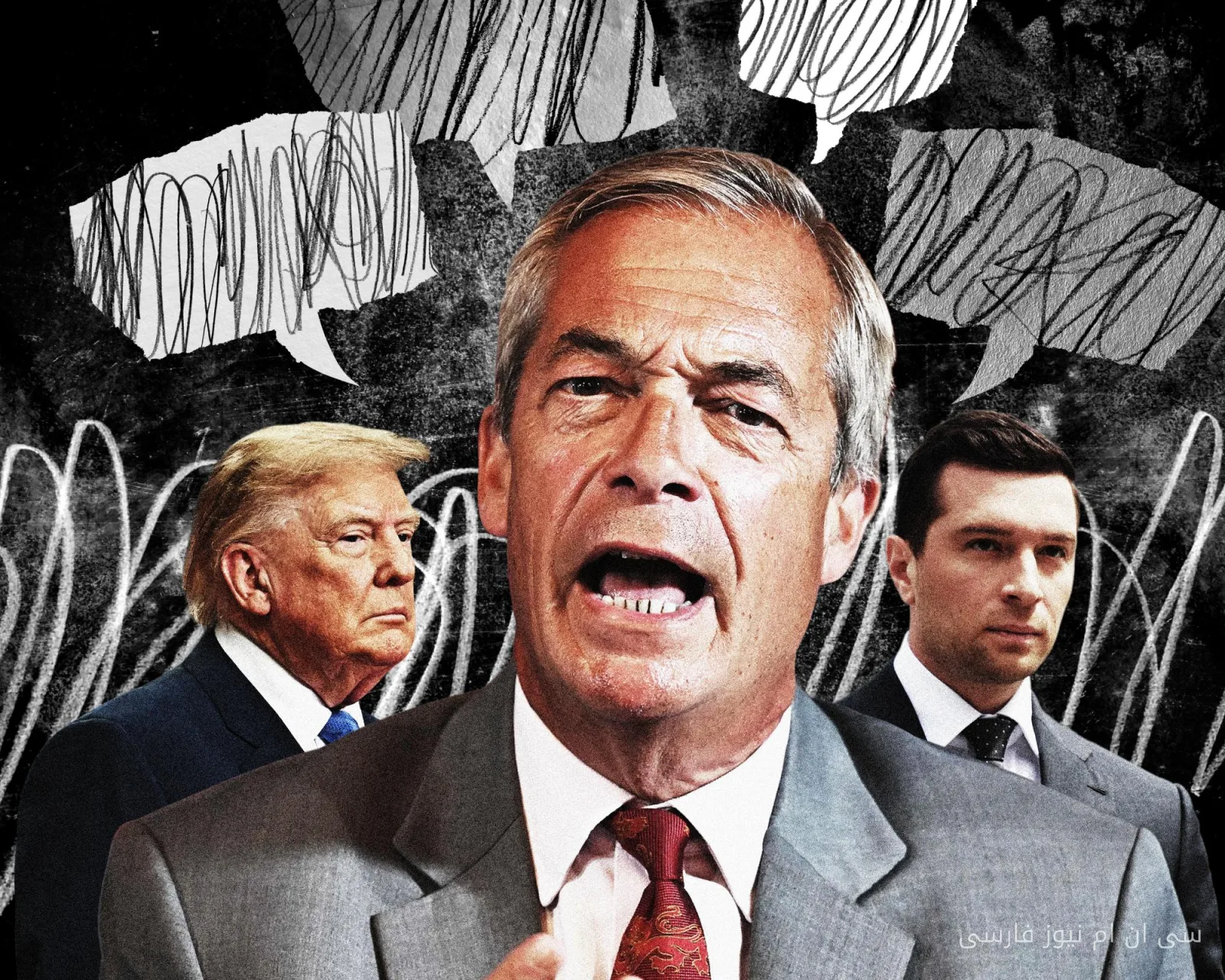
European democracies are alarmingly on the verge of a serious crisis. With rising social discontent, the influence of extremists, and the weakening of democratic institutions, the continent is approaching the brink. Signs of this critical situation are evident in many countries, clearly indicating public dissatisfaction and distrust in government institutions.
Increasing Public Discontent
Evidence shows that European citizens are increasingly disillusioned with the current state of affairs. Many people feel that their voices are lost in political processes and that decisions are made far from their actual needs and desires. This discontent could easily transform into a large social movement, as we have seen in the past.
Political extremism is also another serious challenge for European democracies. Extremist parties and groups are gaining more attention and support, and this situation could lead to further weakening of democratic institutions. In such circumstances, the risk of losing civil liberties and human rights significantly increases.
Opportunity for Change
Although the current situation is concerning, there is still time for change. Political leaders must listen to the needs and desires of citizens and prioritize necessary reforms. These changes could include strengthening democratic institutions, improving transparency and accountability in governance, and creating avenues for greater public participation in political processes.
European democracies must quickly navigate through this crisis; otherwise, they will put their future at risk. Time for action is short, and with each passing moment, the danger grows closer. Are European leaders capable of saving their democracies? This is a question that needs to be answered.