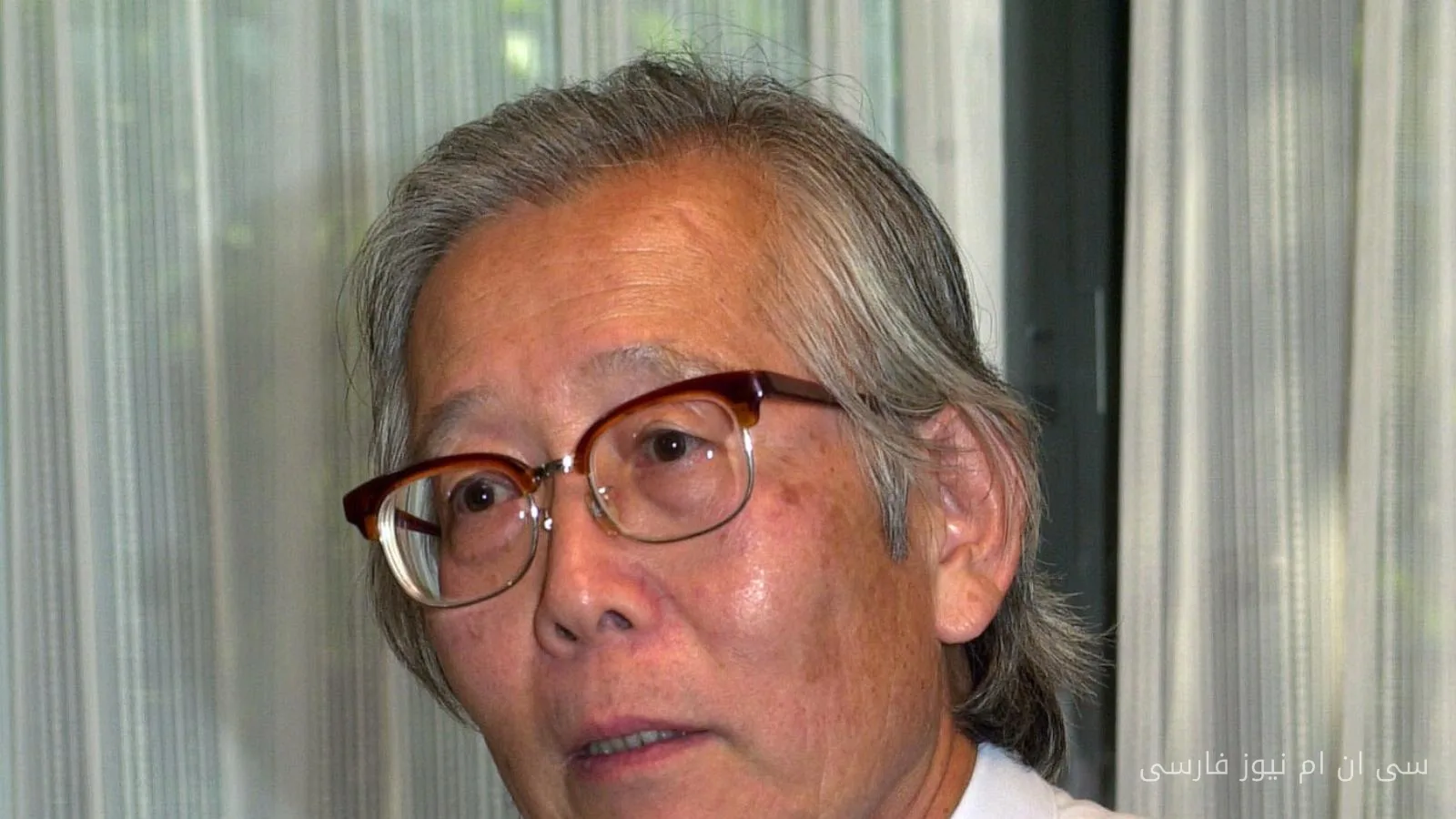
Hideki Shirakawa, prominent Japanese scientist and co-winner of the 2000 Nobel Prize in Chemistry, recently passed away at the age of 90. He was known for his discoveries in the field of superconductivity of materials and had a profound impact on science and technology.
Unparalleled Role in Advancing Materials Science
Shirakawa discovered in the 1970s that polyacetylene could achieve a superconducting state. This discovery not only opened new horizons in materials science but also laid the foundation for modern technologies in electronics and energy transmission. His findings led to him being awarded the Nobel Prize in Chemistry in 2000, alongside two other scientists.
His research astonishingly contributed to the development of new materials and scientific innovations that are now used in many electronic devices and energy systems. He is recognized as a father of superconductivity, and his legacy continues to influence future generations.
Remembering a Scientific Figure
Shirakawa was not only famous for his scientific work but also for his kind and humble personality. He always emphasized the importance of international cooperation in science and was very passionate about promoting science among youth and students. His passing is considered a great loss for the global scientific community.
This great Japanese scientist reminds us how science and innovation can transform human life. In remembering him and his achievements, we hope for a brighter and more hopeful future.