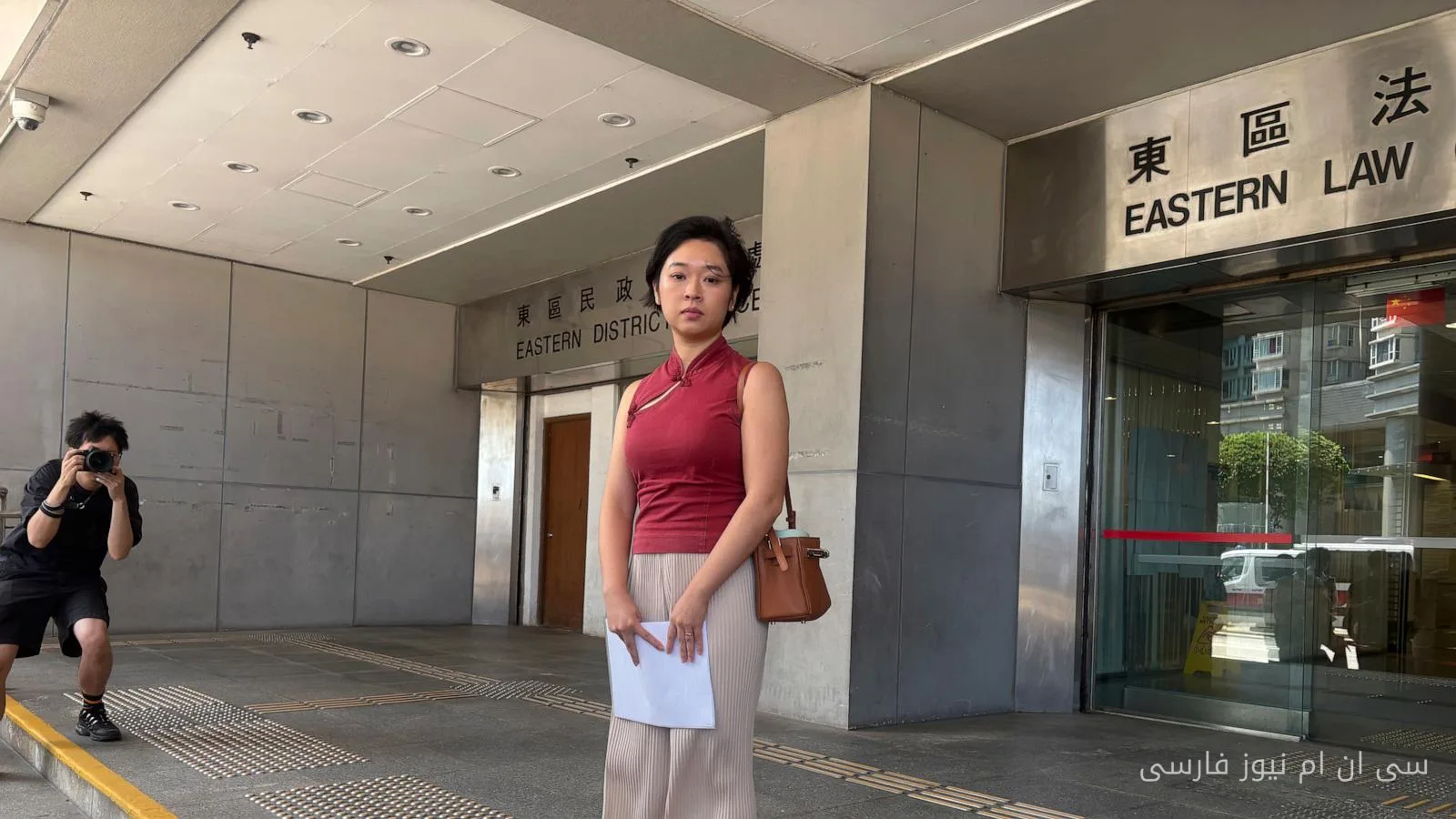
In a controversial decision, a court in Hong Kong has tried and convicted the publisher of the "Wall Street Journal" for attempting to prevent a journalist from taking on a leadership role in the press union. This ruling not only reflects the existing tensions in Hong Kong's media landscape but also has raised concerns about freedom of expression and journalists' rights back to the forefront of the news.
Details of the Trial and Its Consequences
This case, which has received significant media attention, illustrates the ongoing efforts to suppress journalists' voices and hinder the formation of labor unions in the press sector. In this matter, the court stated that the publisher had unlawfully attempted to prevent the journalist from accepting a leadership role in the press union. This action signifies a disregard for journalists' fundamental rights and undermines press freedom for personal and commercial interests.
Many observers believe that these behaviors represent a broader pattern of suppressing civil liberties and human rights in Hong Kong. Especially after the enactment of the national security law in recent years, journalists and social activists have faced serious challenges, and this ruling could serve as a warning for other media outlets and journalists.
Response from the Media Community and Human Rights Activists
The media community and human rights activists have reacted to this ruling, interpreting it as a blow to freedom of expression in Hong Kong. They emphasize that such actions not only affect journalists but also impact the entire society, gradually expanding an atmosphere of fear and censorship in the media.
In this context, support for journalists and labor unions in the region is expected to increase, and human rights activists are likely to exert more pressure on the government to defend the fundamental rights of its citizens.