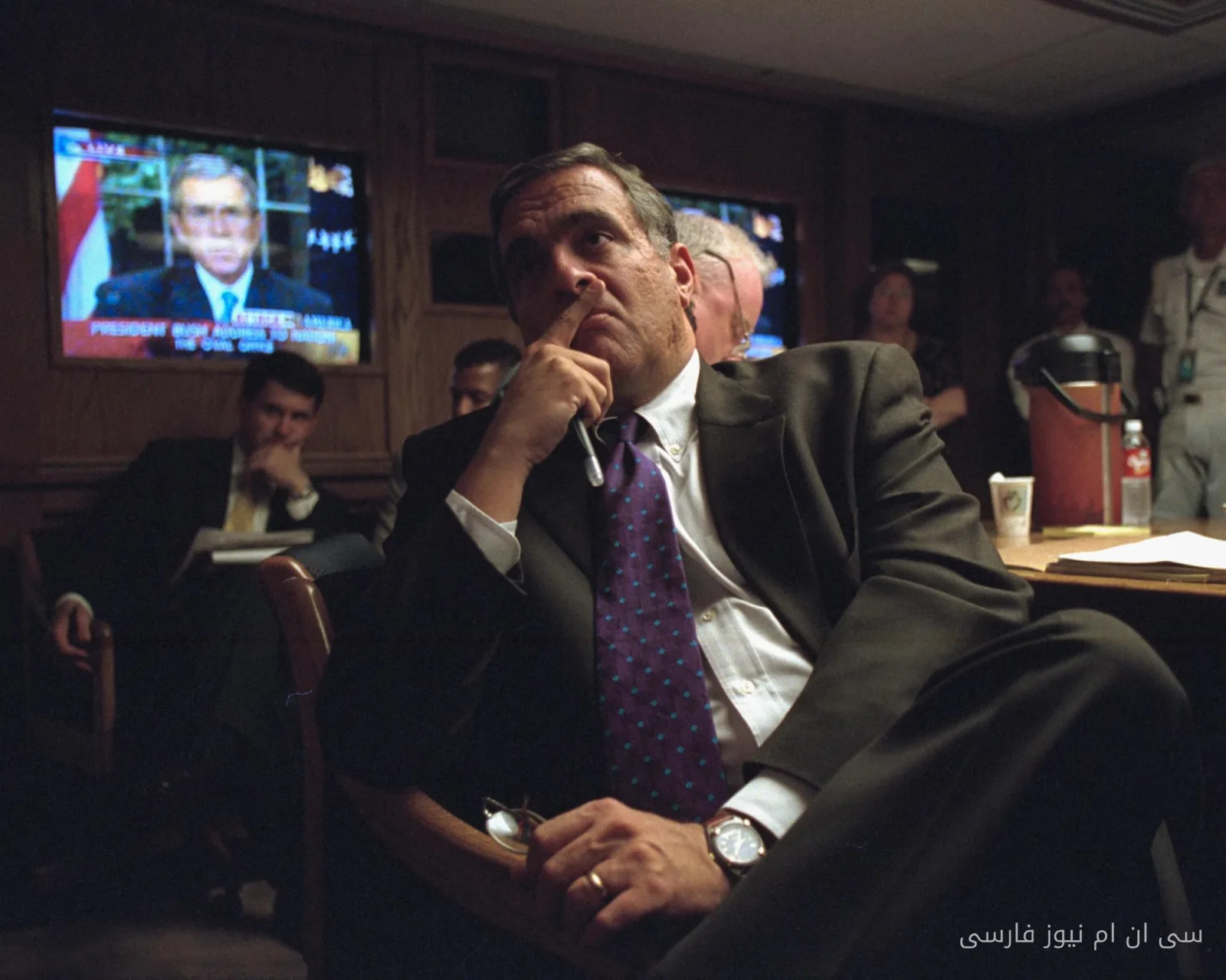
On September 11, 2001, the Al-Qaeda terrorist attacks in New York and Washington sounded an alarm for the Central Intelligence Agency (CIA) of the United States. These attacks not only resulted in the deaths of thousands but also signaled the end of the Cold War and the fight against communism. With the collapse of the Soviet Union and the disappearance of a long-standing adversary, the CIA faced confusion and an identity crisis.
War on Terrorism and New Challenges
The September 11 attacks placed the CIA in a difficult position. This agency, which had acted as a cornerstone of U.S. security policies for decades, suddenly faced a new and ambiguous threat. This crisis not only damaged the CIA's credibility but also prompted its agents and analysts to seek a new role in the changing landscape of global security.
In the years following these attacks, the war on terrorism became the primary priority of the United States. The CIA sought to identify and neutralize new threats through methods such as intelligence gathering, covert operations, and international cooperation. However, these approaches were always accompanied by criticisms, and some of the agency's actions raised ethical and human rights concerns.
Long-term Impacts on CIA's Credibility
The initial reactions to the September 11 attacks reflected a national solidarity, but over time, criticisms of the CIA's performance and its approaches in the war on terrorism increased. Many experts believe that the agency jeopardized its credibility by making controversial decisions and employing unconventional methods.
Ultimately, the impacts of this major transformation on the CIA extend beyond the borders of the United States and will remain a historical lesson in national security and global policies. The new enemy that emerged in the wake of these attacks taught intelligence agencies many lessons and opened new pathways for the future.