China has recently witnessed a terrible natural disaster. The earthquakes caused by heavy rainfall in Jiangxi province have resulted in the death of at least 16 people and the disappearance of several others. These events, which occurred due to unprecedented rainfall, highlight the vulnerability of the infrastructure in this region of the country.
Current Situation and Rescue Efforts
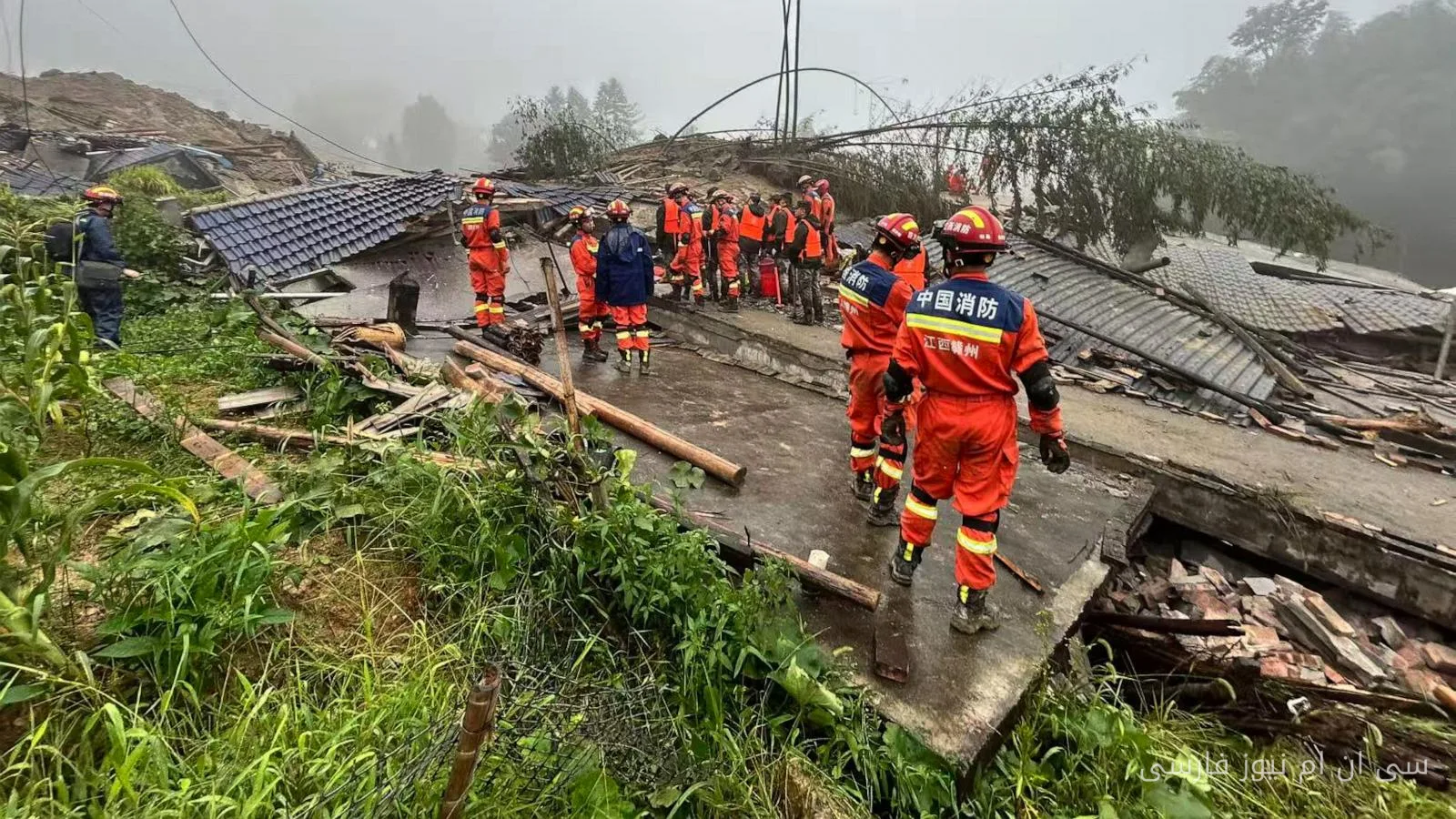
Search and rescue teams are still working to find victims and rescue trapped individuals. Images released from the site of these earthquakes show widespread devastation and unimaginable destruction in villages and small towns. According to local officials, heavy rainfall has caused landslides and building collapses, and these weather phenomena have severely impacted people's lives.
As the search for victims continues, concerns about the safety of infrastructure and preparedness for future crisis situations have also increased. Experts believe that climate change and severe weather fluctuations have exacerbated these deadly events.
Consequences and Reactions
This incident has once again raised questions about crisis management and the government's preparedness for natural disasters. Is the Chinese government ready to handle such incidents? Are existing infrastructures resilient enough? These questions have drawn significant attention not only in China but globally.
Additionally, in the wake of these events, relief and humanitarian groups have quickly been dispatched to the area to assist the affected. This aid includes providing food, medicine, and shelter for those who have lost their homes. But will this assistance be enough?
Given the weather forecasts, there is a possibility of more rainfall and further earthquakes in this region. Therefore, the need for planning and preventive measures is felt more than ever. In a world increasingly affected by climate change, governments must be able to respond quickly and effectively to these challenges.
The recent disaster in Jiangxi serves as a wake-up call for other countries as well. Will other nations learn from these events and become better prepared for natural disasters?